$31.22
$61.5
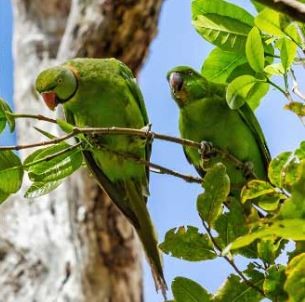
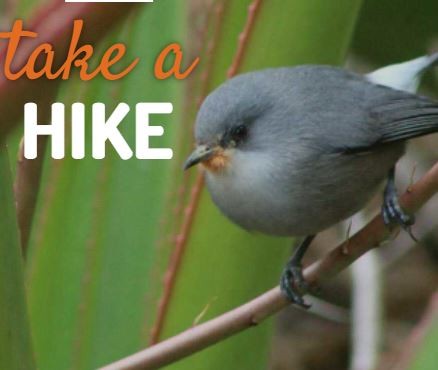
BIRD WATCHING SEE SOME OF THE WORLD’S RAREST BIRDS AND WILDLIFE DURING YOUR ENDEMIC BIRD-WATCHING TOUR Prepare for a very special and unique birding experience among one of the most magnificent ebony forests and few places in Mauritius where six of the nine remaining endemic birds call home. Walk in glorious tranquil forests while observing some of the World’s rarest birds, such as the Pink Pigeon, Echo Parakeet, Mauritius Paradise Flycatcher, Mauritius Black Bulbul (also known as the merle), Mauritius Kestrel, and Grey-white eye. Not to forget the Mascarene swallows, White-tailed tropic birds and Mascarene swiftlets. Ebony Forest is an Important Bird Area, as listed by BirdLife International. So you have come to the right place if you want to do a bit of bird watching. Your 2-4 hour guided bird-watching tour starts with a brief visit of the museum, written and illustrated by British palaeontologist, bird expert and artist, and critically acclaimed co-author of Lost Land of the Dodo, Dr Julian Hume. Your expert guide will give you a summary of the natural history of Mauritius and explanation of why the island’s birds are so threatened. You will have time after your Tour to visit the museum at your leisure. Join your guide for a five minute walk to the viewing platform of the Echo Parakeet and Pink Pigeon release aviaries. Access to the aviaries is only accessible to visitors on the Bird watching Tour and so you will have the privacy and exclusivity of this memorable experience. Our bird conservationists will help you spot and listen for the calls of the Echo Parakeet and Pink Pigeon. Learn about how the initial Echo Parakeet and Pink Pigeon reintroductions were done in partnership with the Mauritian Wildlife Foundation and National Parks and Conservation Service and funding and support from the Critical Ecosystem Partnership Fund. Ebony Forest was selected as a suitable reintroduction site for these species because of our high quality native forest and commitment to protect and conserve the island’s native biodiversity. The first birds were released in February 2018 and can be regularly seen near the aviaries and throughout the forest. Watch male Pink Pigeons parade around in an effort to impress their female counterparts. Chest puffed out and bow- cooing! The release aviaries are used to hold young birds when they are first brought to Ebony Forest. Today, the birds come and go when they want. Food is provided in feeding hoppers inside and outside the aviaries. This supplementary feed ensures the birds have enough food and encourages the birds to stay in the area. The visit is done by one of our bird conservationists whom have over 5 years of experience in endangered bird conservation, offering expert insight into the different behaviours and ecology of the birds. Heading towards the Flycatcher Raised Walkway, observe our plant restoration sites which our restoration team regularly weed. Proceeds from your visit are helping to contribute to this much needed forest restoration work, which benefits the birds, as well as other native and endemic wildlife. In the Flycatcher forest, you may meet pic pics as they hop around, searching under leaves for insects. Watch the Mauritius Bulbul aggressively defend its territory during the breeding season. Imagine the cacophony of the forest 400 years ago. Dodos squawking, Blue Parrots garbling and Red rails sifting through the leaf litter. Discover how the artificial nest boxes are constructed and what our team of dedicated conservationists do to preserve our remaining biodiversity. Your guide will help you find the birds as they know the bird’s territories. The inquisitive Mauritius Paradise Flycatcher is bound to find you before you see it. Often seen in pairs, these delightful passerines will come and say hello. In contrast, the Mauritius Black Bulbul or merle is more elusive. Except when they have young and will aggressively defend their territory. Besides the island’s endemic birds, you can also spot non-native birds such as the Red-whiskered Bulbul, Indian Mynah bird, Ring-necked Parakeet, Spotted Turtle Doves, Village weaver and more. Sublime Point offers a stunning view of the Le Morne Brabant, a UNESCO World Heritage Site, crystal clear waters surrounding Ile aux Benitiers, Tourelle du Tamarin, Montagne du Rempart, Corps de Garde, Trois Mamelles, Le Pouce, Pieter Both, Piton Canot and the island’s highest peak, Piton de la Riviere Noire. With a unique vantage point, watch the endemic Mauritian Fruit Bat flying below, White-tailed Tropic Birds delight you with their aerial acrobatics, Mascarene swiftlets, and Mauritius Kestrel. Relax and enjoy the view with a selection of drinks (tamarind juice, lemon grass juice, soft drink, water) and local snacks. Have you heard about the Dodo and the Tambalocoque Tree, also known as the Dodo Tree? Your guide will recount the contentious story of how the extinction of the Dodo was presumed to cause the decline of this endemic species. Hold a replica of the London Dodo foot, first recorded in 1656 and see the feathers and eggs of the endemic birds. As well as great memories and photographs, why not buy a souvenir in our Shop to treasure when you are at home. Your visit and purchases in our Shop and Sublime Snack contribute to helping save endangered species from extinction and offsetting carbon. Just like all wildlife observation tours, we cannot guarantee that you will see all the bird species present at Ebony Forest. However, there is nowhere in Mauritius where all 9 endemic species occur in the one location and you have a high probability of seeing birds at Ebony Forest. Check out our fauna conservation section to see what bird species and other wildlife can be seen at Ebony Forest. MORE THAN 151,000 ENDEMIC & NATIVE PLANTS PLANTED 25 HA. ENDEMIC FOREST WEEDED & PLANTED, AND RESTORED ECOLOGY CENTRE CREATED EDUCATING & INSPIRING FUTURE GENERATIONS THROUGH OUR EDUCATION PROGRAMME PINK PIGEON & ECHO PARAKEET BIRDS REINTRODUCED 140 ENDEMIC & NATIVE SPECIES NATURAL HISTORY MUSEUM CREATED REFUGE FOR THREATENED FLORA & FAUNA
Ziplining